Back
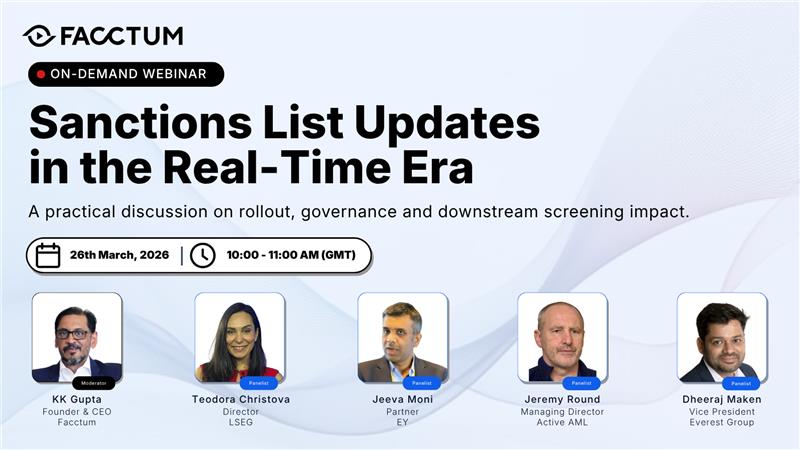
WEBINAR RECORDING
A practical discussion on how firms manage the update chain after a new sanctions designation is announced, from interpretation and rollout through to governance, evidence, and downstream screening impact.
When a sanctions update is announced, the difficult part is rarely the announcement itself. The real challenge begins afterwards: understanding what has changed, deciding what action is required, applying that change consistently across teams and systems, and being able to evidence the process clearly.

Why This Topic Matters
Sanctions updates now move faster than many of the operating models designed to control them. The challenge is no longer simply retrieving a new designation and loading a file. It is the chain that follows: interpretation, ownership, propagation, approval, evidence, and the downstream operational consequences of getting any part of that chain wrong.
The panel repeatedly came back to the same point: this is not just a speed issue. Real-time delivery on its own is not enough if the data is noisy, if downstream systems are not synchronized, or if the process cannot be governed and evidenced clearly.
For many institutions, that is where sanctions updates become operationally difficult in practice.
Key Themes from the Discussion
Where the update chain starts and finishes
The update chain starts with the authority decision and publication event, but it only finishes when list changes have been consistently applied across downstream systems and can be properly evidenced.
Downstream strain and false positives
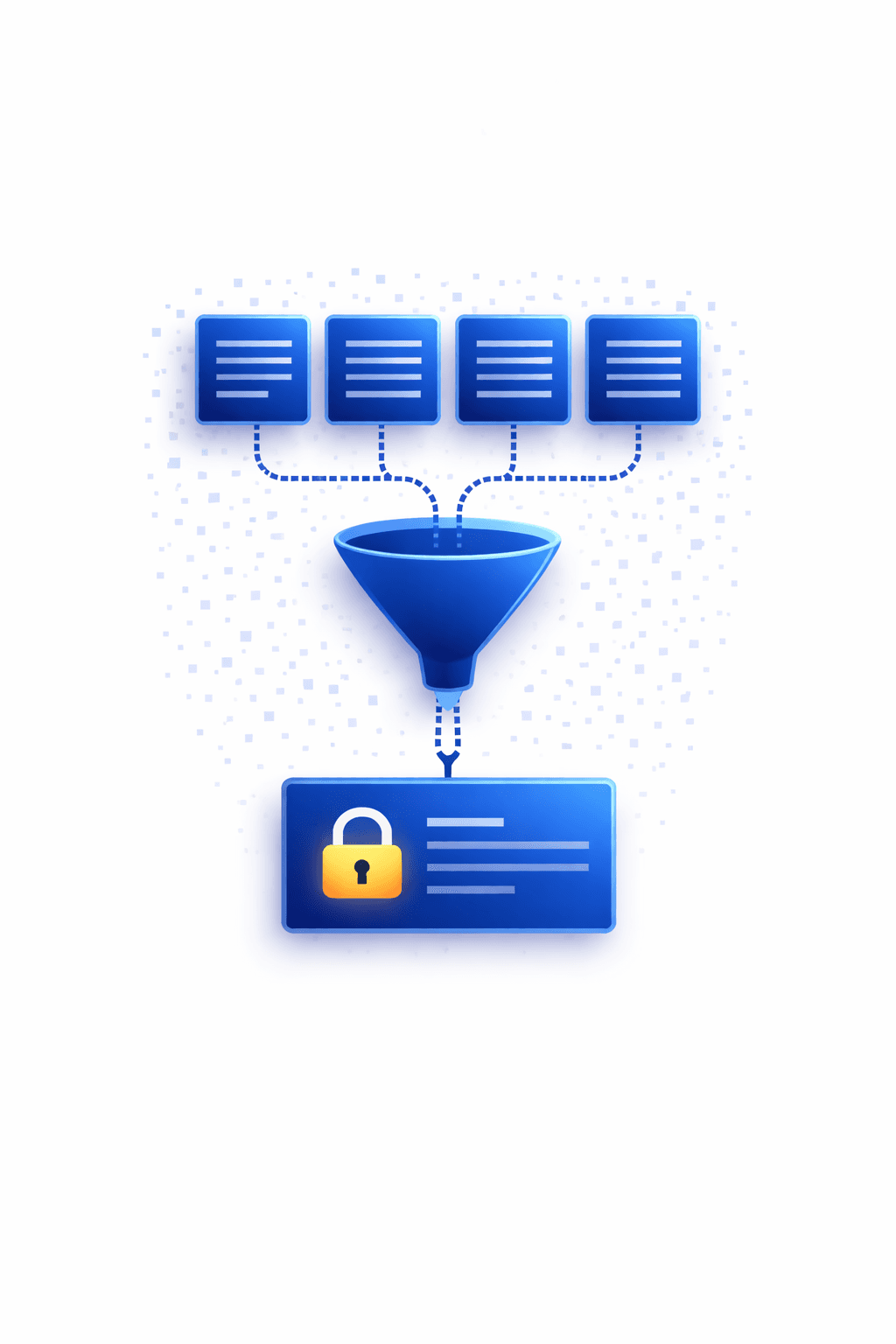
The first major operational bottleneck is often not ingestion, but false positive amplification. Large spikes in new designations can quickly strain capacity unless firms have a way to contain the downstream impact.
Governance, ownership and evidence
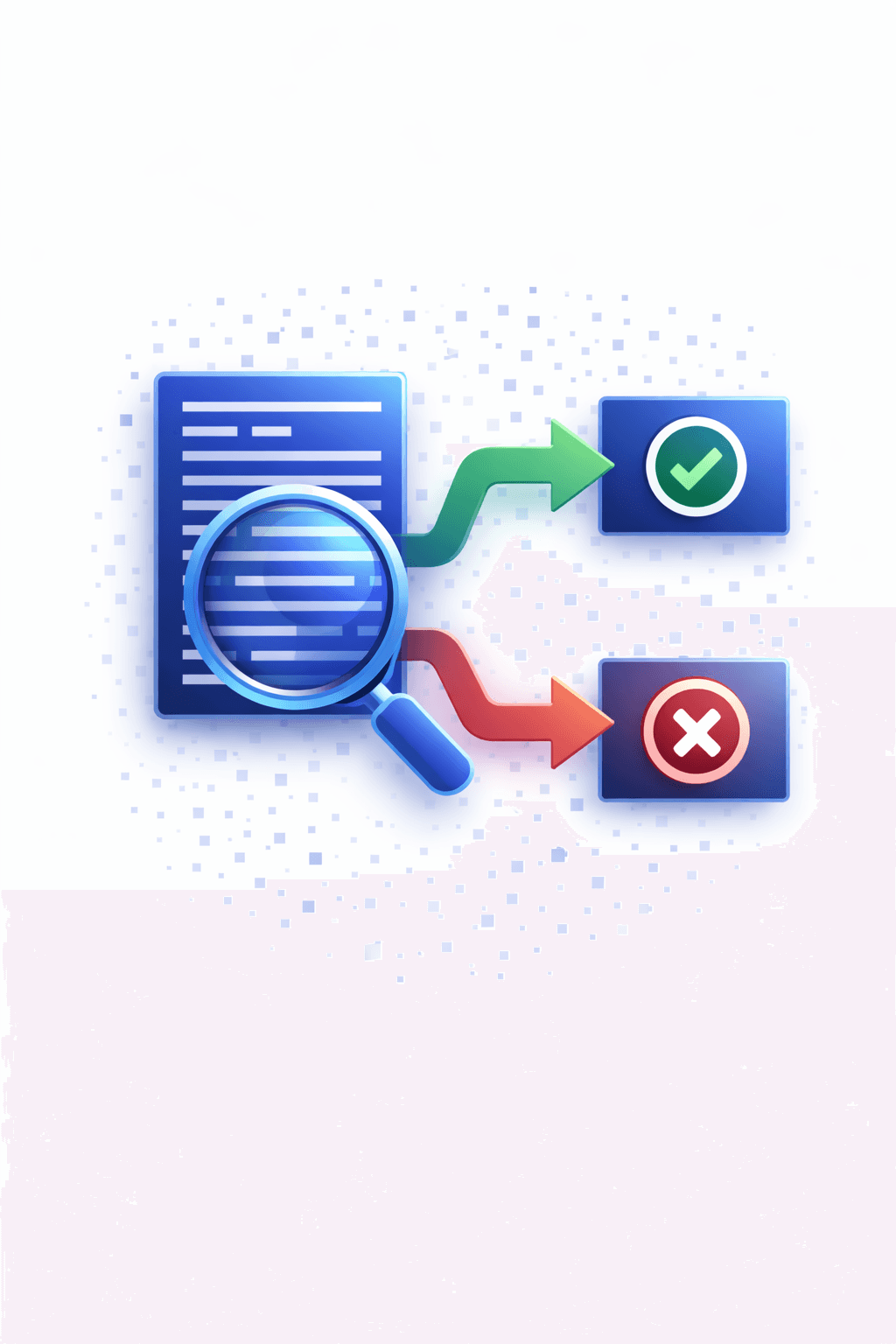
Institutions need clear ownership, decision rights, approval thresholds, and evidence of what changed, when it changed, and who approved it. Mature organisations treat this as a governed process, not an ad hoc response.
Why centralised list management matters
Fragmented handling across multiple teams and systems makes consistent propagation harder to achieve. A more central, system-led model improves distribution, governance, and the ability to apply interim controls in a structured way.
Key Lines from the Discussion