AML Compliance

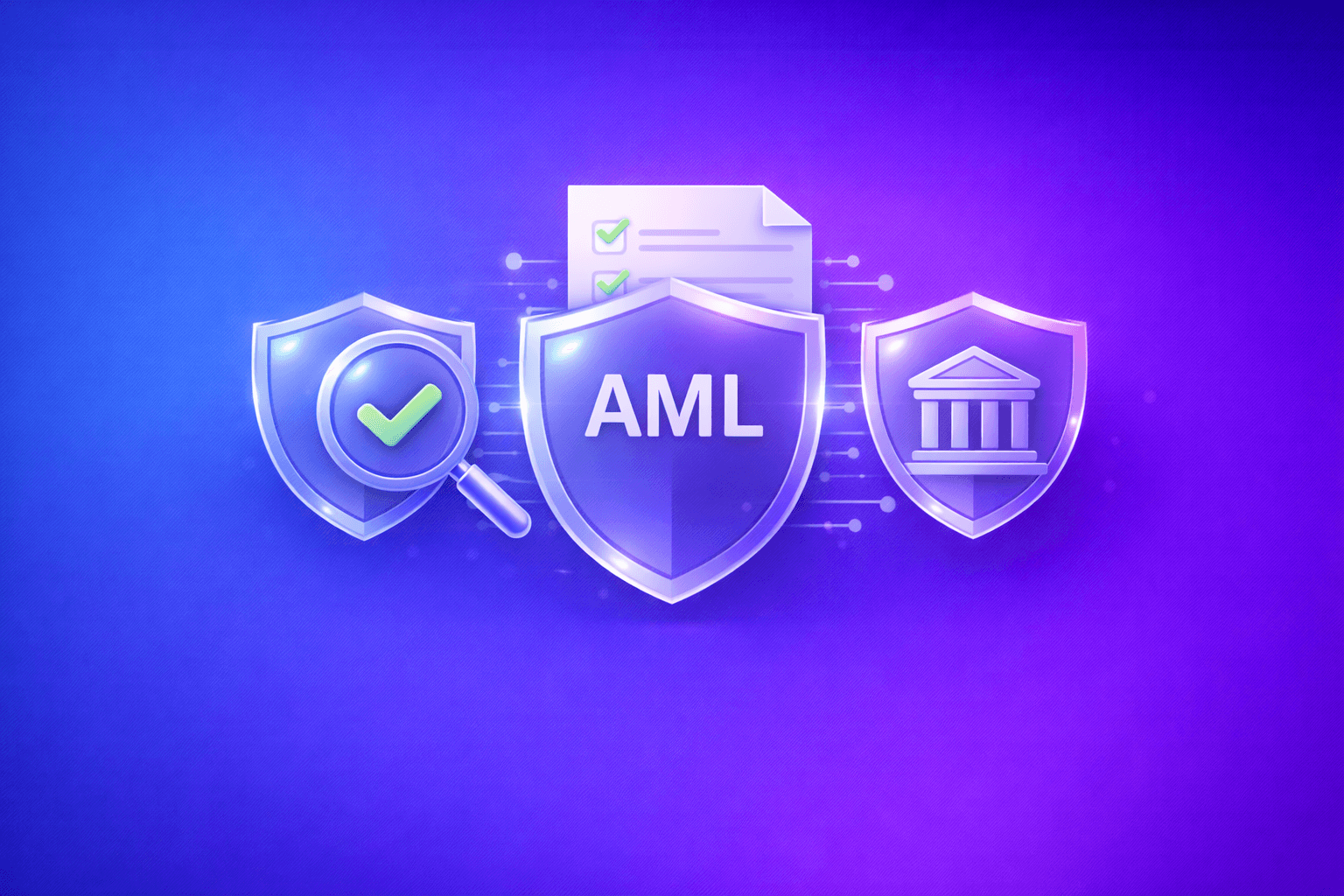
The three lines of defence model remains one of the most widely used frameworks for managing financial crime risk. It defines how operational teams, risk and compliance functions, and internal audit work together to identify, control, and oversee AML risks. What has changed is how technology supports each line.
AI, automation, and integrated screening tools now enhance governance by reducing manual errors, speeding reviews, and providing clearer audit trails. This guide explains how the three lines of defence work in practice and how modern technology strengthens each layer of AML oversight.
What Are The Three Lines Of Defence In AML
The three lines of defence framework outlines how responsibilities are distributed across a financial institution. It helps firms structure their governance so that risk is managed proactively, transparently, and with clear accountability.
The model includes:
First line: Operational teams that own day to day controls.
Second line: Risk and compliance teams that oversee and challenge the first line.
Third line: Internal audit teams that provide independent assurance.
In AML, this structure ensures that customer screening, payment controls, transaction monitoring, and investigations are executed effectively and reviewed independently.
Why The Three Lines Of Defence Matter For AML Governance
Financial crime risk is complex and constantly evolving. Without a clear structure, controls become inconsistent, investigations slow down, and audit trails weaken.
A strong three lines model helps institutions:
Maintain clear accountability for controls.
Reduce operational gaps and duplicated effort.
Strengthen risk oversight and escalation.
Demonstrate governance to regulators.
Technology makes this structure more effective by making risk data more visible across teams.
The First Line Of Defence: Frontline Ownership And Automation
The first line owns the controls used during onboarding, payment processing, customer screening, and monitoring. Technology plays a major role in strengthening these responsibilities.
Automated Screening And Real Time Controls
Frontline teams rely on automated tools for:
Sanctions and name screening.
Adverse media checks.
Payment screening for real time transactions.
Customer risk scoring.
Platforms for customer screening, payment screening, and transaction monitoring support first line teams by applying consistent rules across all channels.
Enhanced Decision Support
AI-driven match scoring, duplicate detection, and behavioural analytics help the first line identify unusual activity faster. Automation handles repetitive checks so analysts can focus on judgement-based decisions.
The Second Line Of Defence: Oversight, Risk Assessment, And Control Design
The second line provides oversight, validates risk assessments, and challenges the effectiveness of frontline controls.
Centralised Policy And Watchlist Governance
Second-line teams use strong watchlist management to set standards for data quality, naming conventions, and reference sources.
Risk Scoring And Model Governance
Risk and compliance teams use analytics to:
Review customer risk rating methodologies.
Validate transaction monitoring scenarios.
Assess thresholds and tuning decisions.
Tools supporting AML watchlist screening help ensure consistent logic across systems.
Oversight Through Automation
Dashboards and automated MI reporting show whether first line controls operate effectively. This gives the second line visibility into alert volumes, timeliness, escalation patterns, and customer risk changes.
The Third Line Of Defence: Independent Testing And Assurance
Internal audit provides independent assurance over both the first and second lines. Technology strengthens this function by increasing transparency and improving evidence quality.
End-To-End Audit Trails
Integrated systems allow audit teams to trace:
Screening results.
Alert histories.
Case investigation notes.
Decisions and escalations.
This makes it easier to verify whether controls operated correctly.
Data Driven Audit Sampling
Audit teams use data to target higher-risk areas, identify unusual patterns, and select better test samples. This improves both efficiency and accuracy.
How Technology Enhances Collaboration Across All Three Lines
Modern AML systems allow the three lines to work together more effectively by sharing data, aligning workflows, and reducing manual processes.
Real Time Data Sharing
Shared risk profiles ensure all teams work from the same information.
Integrated Case Management
Case management platforms bring screening alerts, monitoring events, and investigation data into one workflow so the three lines can review and escalate issues consistently.
Automated Controls Testing
AI and automation can periodically test controls, identify gaps, and flag anomalies for review. This supports oversight while reducing manual workload.
Balancing Automation And Human Oversight
Technology strengthens AML governance, but human judgement remains essential. The three lines must balance automation with expert review.
Automation helps:
Reduce repetitive tasks.
Improve accuracy.
Detect patterns earlier.
Human oversight ensures:
Context is understood.
False positives are resolved correctly.
Escalations follow policy.
This partnership improves decision making and regulatory outcomes.
Regulatory Expectations For The Three Lines Of Defence
Regulators expect institutions to demonstrate a clear three lines structure supported by reliable technology.
Supervisors focus on:
Ownership and accountability.
Data quality and documentation.
Consistent treatment of customers across channels.
Strong oversight from compliance and audit.
Technology helps institutions evidence these expectations with clearer audit trails and more reliable controls.
Future Trends: AI Enablement Across The Three Lines
The three lines model is evolving as institutions adopt AI and automation. Future developments include:
Real time visibility of risk across all lines.
AI-assisted scenario tuning and model validation.
Automated summaries of investigation findings for oversight teams.
These advancements will help institutions operate faster while maintaining strong governance.